Bioreader® User Response

From: Mark Peakman

To: Bio-Sys

Subject: Our experience of BioSys


Dear Werner

I am delighted to give you an update on our experience of the BioReader and BioSys. From the start we were impressed with the machine when we saw it in demonstration.
As a result we purchased a Bioreader 3000 3 years ago. It is in place in our laboratory as part of a core facility and is currently used for 3 separate projects in my own laboratory, and by 3 other groups within my Department/Institution. We are a large centre for the study of infection and immunity.

The features of the Bioreader that we like are the ease of use; sensitivity and accuracy of the imaging; ability to read a variety of plates; reliability; good company backup. We get software updates regularly which are easy to install, and we have had no notable hardware problems.

We have even, as you remember, done a direct comparison of your reader with 2 others in a head-to-head workshop (1) and seen excellent results - but yours has several advantages, particularly the flexibility of the plate reading and the power of analysis of the software.

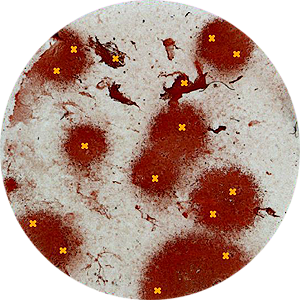
There is no doubt that the Bioreader and its use in cytokine ELISPOTs has been a major factor in our ability to measure rare T cell responses in patients (2).

Best wishes

Mark

Professor Mark Peakman

Department of Immunobiology

Guy's King's & St Thomas' School of Medicine

Guy's Hospital

London


References:
1. Schloot N.C., Meierhoff G., Karlsson Faresjo M., Ott P., Putnam A., Lehmann P., Gottlieb P., Roep B.O., Peakman M. & Tree T. (2003) Comparison of cytokine ELISpot assay formats for the detection of islet antigen autoreactive T cells. Report of the third immunology of diabetes society T-cell workshop. J Autoimmun, 21, 365.
2. Arif S., Tree T.I., Astill T.P., Tremble J.M., Bishop A.J., Dayan C.M., Roep B.O. & Peakman M. (2004) Autoreactive T cell responses show proinflammatory polarization in diabetes but a regulatory phenotype in health. J Clin Invest, 113, 451.


Login/Register